 Recovery is a tricky thing. Not just because there’s triggers everywhere you look, but because it’s a personal journey, and often a bit different for everyone. How much should you say to a stranger? How do you explain why you’re drinking club soda, or why you don’t keep candy in the house, or why you had to move out of your childhood neighborhood?

this is how we cut ourselves down so other women will feel comfortable around us.
This is a question I’ve been struggling with (so bear with me, this article may have fewer references than usual). One of my big triggers is having people discuss weight loss efforts, so you can imagine my day to day life is triggers galore. I read an article about body hatred as a bonding technique for women , but we can all testify to the truth of it without even reading the supporting literature. The literature that’s even in Glamour – it’s so SHOCKING that women have poor body image, isn’t it?! It’s ubiquitous for women to share their hated body parts (“god, my ass is so big!”), weight gain (“I swear I gained 5 pounds just looking at that cake!”), weight loss efforts (“I shouldn’t eat that cookie”), sage family advice (“once on your lips, forever on your hips”) and so on. This talk is everywhere in every kind of situation, and can serve as filler for silences or in new, uncomfortable situations.
While this discussion is old, my concern is where those in recovery should draw the line between speaking up and letting conversation pass. I don’t suffer from anorexia, but I would assume listening to thin women (or women of any size) complain about their shape would be difficult to deal with. It’s difficult for me to deal with! The question is, do I ask other people not to talk about those things around me? Or do I just refrain from engaging in that conversation?
It’s different with close friends, who, at least in my case, know that I’m dealing with food issues and for the most part respect my desire not to talk about weight loss. It’s different with coworkers, or people in the gym, or clients. With client’s its easier, because there it’s a clear distinction between therapist and consumer. Do I tell my supervisor not to discuss her daily eating plan because it makes me want to binge? Do I share with the woman who uses the locker next to mine that when she tries to get me to buy her diet products, it is uncomfortable because I’m aiming for recovery?

how much hate can you stand?
We tell alcoholics and addicts to avoid liquor stores and “wet places.” To be assertive in their recovery. At the end of the day, however, I believe most of recovery is dealing with your own stuff. It’s not anyone’s responsibility not to talk about diets but mine; my responsibility is to increase awareness and manage my reaction to these triggers, because in no reality are triggers always avoidable. Sometimes, though, that boundary is hard to maintain.


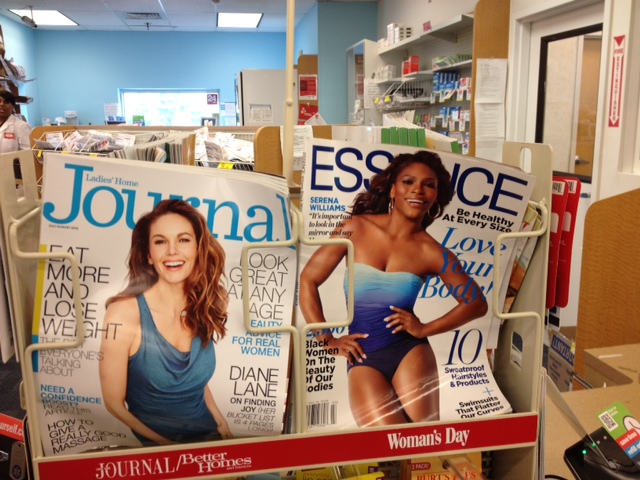
 I’ve been dating people in and around the punk rock scene for a little under 10 years now, and I’ve been noticing more and more this insidious expectation. I’ve had more than one boyfriend tell me they love my body or love my shape, and while that’s fine, I could never figure out why it sort of rubbed me the wrong way. Why did they feel it was necessary to comment on my body?
 on the eating disorder scale, anorexia was always fascinating to me. all eating disorders are about control, but this one was control NOT doing things, where bulimia was more about being out of control then retaking it.
 So like many people who are putting thoughts out there in the vast internets I read a number of different blogs and news sites, and it seems in recent weeks there is a
  dehumanizing. And it’s unsolicited; I doubt most women are getting dressed up to get leered at and hassled on the street. Comments are not needed for validation, especially not from strangers.
 Throughout my work thinking about and looking at research on body image and psychology, there has been an interesting theme of privilege which has emerged. Privilege and I were first introduced during my time in graduate school, to assist in the understanding of racial injustice. Any privilege is a complex issue to understand, and can best be understood as benefits through no fault or merit of your own, as a result of systematic valuing of your own characteristics over someone else’s. White privilege, straight privilege, male privilege, American privilege.
 theshamedynamic